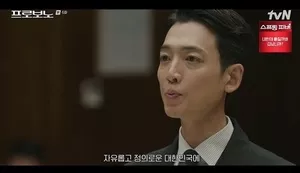
🤯 K-Drama ‘Pro Bono’ Uncovers a Shocking Truth: Justice Denied for the Vulnerable! ⚖️
Hello Korea Fam! 👋 It’s your Hidden Gem Traveler, Jiyoon Lee, bringing you a deep dive into a K-drama that’s not just entertainment but a powerful mirror reflecting crucial societal issues. Forget your typical rom-coms and historical epics for a moment, because tvN’s weekend drama, Pro Bono, is a hidden gem that will stir your soul and make you question what ‘justice’ truly means.
The term “pro bono” itself is derived from the Latin “Pro Bono Publico,” meaning “for the public good.” It refers to professionals volunteering their expertise to help the underprivileged. In the drama, Pro Bono is the name of a special team at a major law firm, hastily assembled to fulfill their social responsibility by offering legal counsel to those without economic means, free of charge. Sounds noble, right? But the journey to nobility is far from straightforward.
At the helm of this unconventional team is lawyer Kang Dawit (portrayed by the ever-charismatic Jung Kyung-ho). Once a celebrated “National Judge” known for his uncompromising sentences against the powerful, Dawit’s 15-year career was solely driven by his ambition to become a Supreme Court Justice. However, on the cusp of achieving his dream, he was unexpectedly embroiled in a bribery scandal, forcing him to shed his judicial robes.
It was Oh Jung-in (Lee Yoo-young), the managing partner of the top-tier firm Oh & Partners and his judicial training institute classmate, who extended a lifeline. Dawit, seeing an opportunity, accepted. But to his dismay, his new office was a sunless corner of the building, housing the pro bono team. With zero interest in public welfare, Kang Dawit struck a deal with Oh Jung-in: he’d aim for a 70% win rate for a chance to reclaim his Supreme Court aspirations. The team he inherited was a diverse group of four lawyers, each with their own compelling backstory: Park Gi-ppeum (So Ju-yeon), Jang Young-shil (Yoon Na-moo), Yoo Nan-hee (Seo Hye-won), and Hwang Jun-woo (Kang Hyung-seok).
The drama truly hits its stride with the introduction of Kaya (Jung Hoe-rin), a foreign woman from Yangchon-ri seeking a divorce. Despite only being in Korea for two years, Kaya spoke excellent Korean, a result of her childhood dream to come here. Interestingly, Kaya and lawyer Park Gi-ppeum even shared a moment quoting lines from the iconic K-drama Goblin (“Every day was good, whether the weather was good, bad, or just right”). Initially, Kang Dawit was reluctant to take on a “non-profitable” divorce case. However, after noticing Kaya’s heavily clothed appearance, even in summer, and the hidden handprints on her neck, he pushed her for the truth.
What followed was a revelation that sent chills down our spines. Kaya was not just seeking a quiet divorce; she was a victim of severe abuse, including attempted murder, at the hands of her intellectually disabled husband, Jo Dong-min (Tae Hang-ho). But the true perpetrator of the most heinous crime was her father-in-law, the respected **Yangchon County Chief**, who had sexually assaulted her. Her husband, Jo Dong-min, a kind-hearted man unable to lie or grasp complex situations due to his disability, was heartbreakingly unaware of his father’s actions.

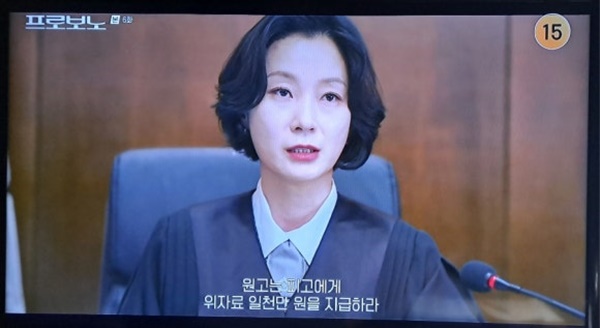
The initial court ruling granted Kaya her divorce, compassionately acknowledging her plight. However, the opposing counsel, **Woo Myung-hoon** (Choi Dae-hoon), appealed, arguing for marriage nullification on the grounds that Kaya had concealed an earlier childbirth resulting from childhood sexual assault. This technicality shockingly overturned the first ruling, leading to:
- ⚖️ A court order for Kaya to pay 10 million KRW (approx. 7,300 USD) in alimony.
- ✈️ An immediate **deportation order** for Kaya from South Korea.

Meanwhile, the **Yangchon County Chief**, the perpetrator of the sexual assault, received an outrageously light sentence: three years imprisonment suspended for five years. This gross miscarriage of justice, where the victim was expelled and the powerful abuser walked free, ignited a fire within Kang Dawit.
Jiyoon Lee’s Take: This plotline profoundly highlights the disparity in justice, especially when power and societal status are involved. It’s a stark reminder that legal battles are not always about truth, but about technicalities and influence, and it makes you ache for the characters.

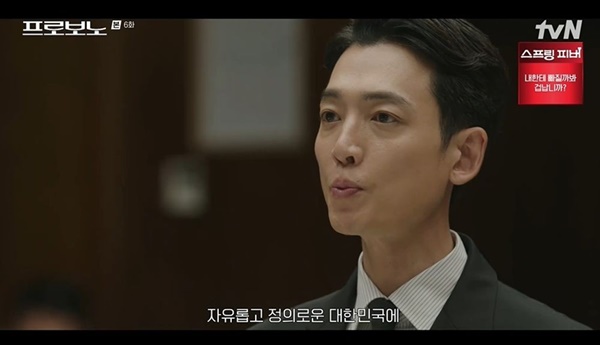
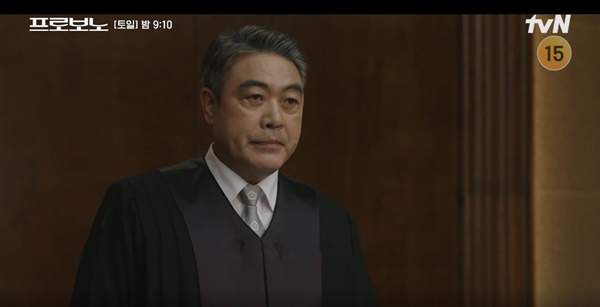
Furious, Kang Dawit declared, “If this is the kind of country it is, we should seek asylum immediately!” He filed for refugee status for Kaya, which was initially denied. Undeterred, he appealed this decision, arguing vehemently against a nation that punishes victims and protects perpetrators. In a powerful courtroom scene, he challenged **Judge Jo Kang-yeol** (Lee Won-jong), asking, “Who are the true patriots? Those whose children hold American citizenship and leave, or the multicultural families who fill their void?”

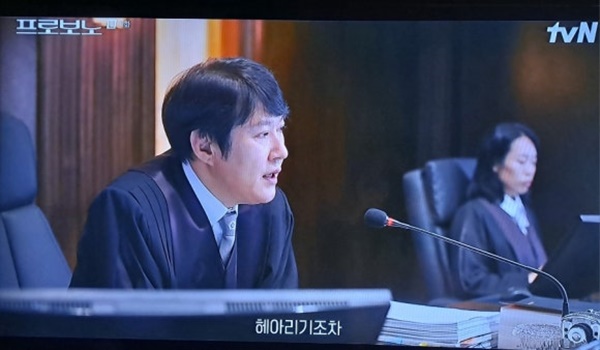
In a truly moving moment, **Judge Jo Kang-yeol** ruled in favor of Kaya, granting her refugee status, saying it was for a “free and just Republic of Korea.” Kaya wept tears of joy, and the judge offered his apologies and gratitude. It was a small victory in a battle riddled with setbacks, emphasizing that true patriotism lies in upholding justice for all.

The journey isn’t over yet, though. The sexual assault case against the **County Chief** is heading for another appeal, with a new judge known as the “Grim Reaper” of justice, **Jung Eui-hyun**, taking the bench. We’re all holding our breath to see if true justice will finally prevail.
What struck me most while watching episodes 5 and 6 of Pro Bono was the portrayal of Jo Dong-min, Kaya‘s intellectually disabled husband, sitting in the courtroom audience even after his marriage was annulled. The original article’s author also expressed profound sadness, emphasizing how crucial marriage and career are for the rehabilitation and integration of people with disabilities into society. It’s a devastating thought that Jo Dong-min’s own father, the very person who should protect him and his family, committed such an unforgivable act against his daughter-in-law.
Pro Bono brilliantly underscores that a true patriot is someone who, through the law, stands with the vulnerable and champions social change. It’s a powerful reminder that our legal systems, while designed for justice, can often fail the very people they’re meant to protect. This drama isn’t just a story; it’s a conversation starter about humanity, justice, and the hidden corners of society.

What are your thoughts on Pro Bono and its compelling narrative? Share your feelings with us, Hello Korea Fam! We love hearing your perspectives on K-drama’s impact.

Editor: Jiyoon Lee ✈️