The Great Flood: How Netflix’s Most Divisive K-Film Became a Global Chart-Topper! 🌊🤯
From the moment it dropped, Netflix Original Film ‘The Great Flood’ found itself at the eye of a critical storm, sparking intensely polarized reactions across the globe. Yet, in a fascinating turn of events that challenges conventional wisdom, this very divisiveness has propelled the Korean disaster-sci-fi hybrid to an unprecedented four consecutive weeks at #1 globally in the non-English film category.
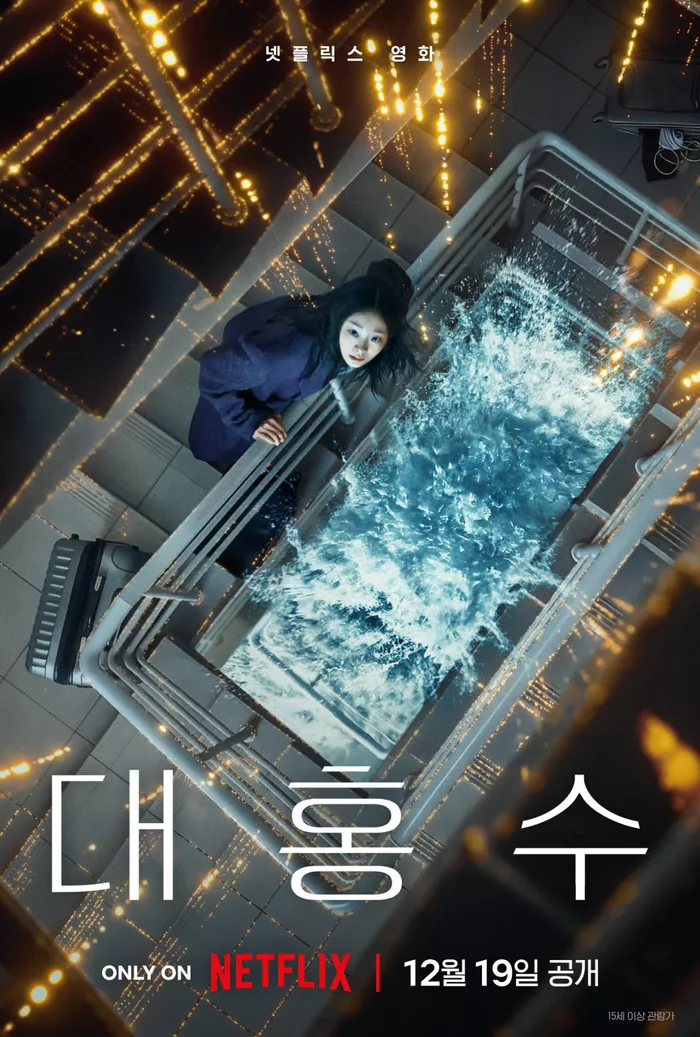
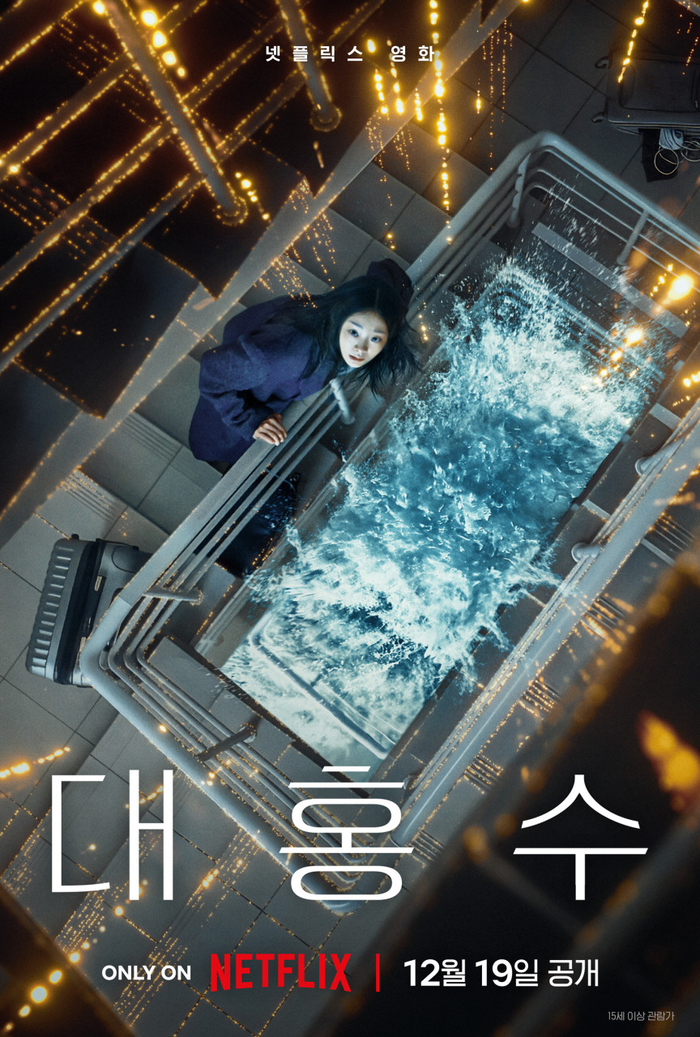
Released on December 19, 2025, ‘The Great Flood’ plunges viewers into humanity’s last stand on a planet ravaged by an epic deluge. The premise promises a thrilling SF disaster blockbuster, depicting survivors’ desperate struggle for existence within a submerged apartment complex.
However, initial reactions were sharply divided. While critics often praised the film’s ambitious scale and technical prowess in depicting the disaster, the unique blend of a maternal love narrative with intricate SF settings proved to be a hurdle for many viewers. Many who anticipated a straightforward disaster survival story found themselves disoriented by the concept of an “infinite AI simulation,” arguing it disrupted immersion rather than enhancing it. The emotional core struggled to connect when the underlying SF premise wasn’t immediately clear, leaving some audiences longing for the characteristic speed and urgency of traditional disaster thrillers.

Interestingly, this very debate fueled a surprising “reverse viral” phenomenon. As discussions, critiques, and interpretations spread across online communities and social media, more and more curious viewers decided to “check it out for themselves.” This surge of interest quickly translated into impressive streaming numbers, cementing ‘The Great Flood’ as a true global sensation.

According to Netflix’s official measurement site, Tudum, ‘The Great Flood’ accumulated an astounding 5.2 million views (calculated by dividing viewing hours by running time) between January 5 and 11, making it the top non-English film during that period. This success wasn’t sudden; it has been a consistent powerhouse since its debut:
- 🗓️ First week: 27.9 million views, #1 non-English film
- 🗓️ Second week: 33.1 million views, #1 non-English film
- 🗓️ Third week: 11.1 million views, #1 non-English film
This remarkable performance has allowed ‘The Great Flood’ to maintain its reign as the #1 global non-English film for four consecutive weeks, entering the Top 10 in 56 countries, including South Korea, Hong Kong, Indonesia, and Japan. Moreover, it made history as the first Korean film to reach 7th place in Netflix’s prestigious “Most Popular Non-English Films of All Time” category.

So, what’s behind this astounding success despite its divisive reception? We believe several factors are at play. The disaster genre inherently boasts low language and cultural barriers, offering a universally understood, intuitive narrative that resonates with global audiences. The precedent set by K-disaster films like ‘Train to Busan’ certainly raised expectations. Beyond the unique SF elements, ‘The Great Flood’ received positive feedback for its **CG quality**, the realistic portrayal of large-scale disaster scenes, and the compelling performances and chemistry among its cast members. These strong points, combined with the genre’s broad appeal, undoubtedly lowered the entry barrier for many.
Yet, the debate surrounding the film’s overall artistic merit continues. As of January 15, its Rotten Tomatoes score sits at 54%, perfectly reflecting the ongoing, even split in critical opinion. Ultimately, ‘The Great Flood’ transcends being just another film; it has become a compelling case study for how, in today’s streaming landscape, controversy and divided opinions can paradoxically become the very engine of viral success.
Editor’s Comment: ‘The Great Flood’ exemplifies the power of discussion in the digital age, proving that a film doesn’t need universal acclaim to achieve global dominance. Its journey from polarizing debut to chart-topping hit is a fascinating lesson in audience engagement and the evolving nature of cinematic success.
Editor: Hannah Choi 🎬