Kim Dong-wan Drops a Truth Bomb on K-SNS ‘Poverty Mim’ Trend! 💣 Is Our Shinhwa Oppa Right?
Hello Korea Fam! As your resident drama and cinema analyst, I’ve spent countless hours dissecting the nuanced social commentary woven into our favorite K-dramas and films. From ‘Parasite’ to ‘Squid Game,’ Korean storytelling often fearlessly tackles the stark realities of socio-economic disparity. So, when a new, rather controversial, social media trend started making waves, it naturally caught my analytical eye. We’re talking about the so-called ‘Poverty Mim’ or ‘Poverty Challenge’ that’s been exploding across Korean social media platforms, and it’s sparked a heated debate with none other than first-generation idol and veteran actor, Kim Dong-wan, leading the charge.
Recently, **SNS** has been abuzz with this peculiar trend. Users participate by posting content where they claim to be financially struggling or “poor,” but the accompanying photos tell an entirely different story—showcasing abundant leisure, luxury items, or enviable experiences. It’s a stark visual contradiction, creating an ironic (or perhaps, to some, infuriating) juxtaposition between text and image.
This trend has quickly become a hot topic, dividing opinions amongst netizens. While some might see it as harmless humor or a form of self-deprecating satire, many others, including us here at Hello Korea, find it deeply concerning. It raises significant questions about empathy, social awareness, and the trivialization of genuine hardship.
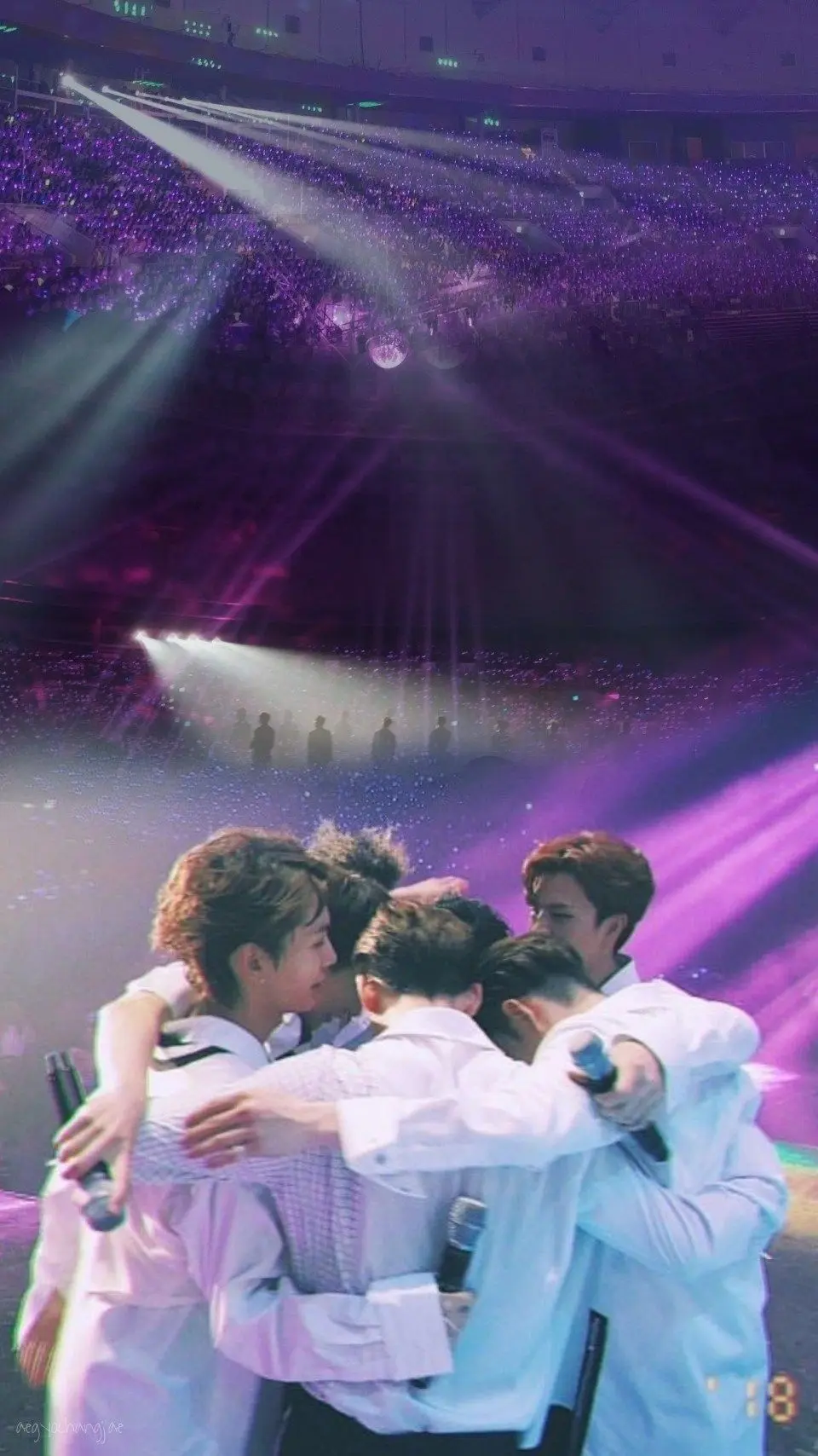
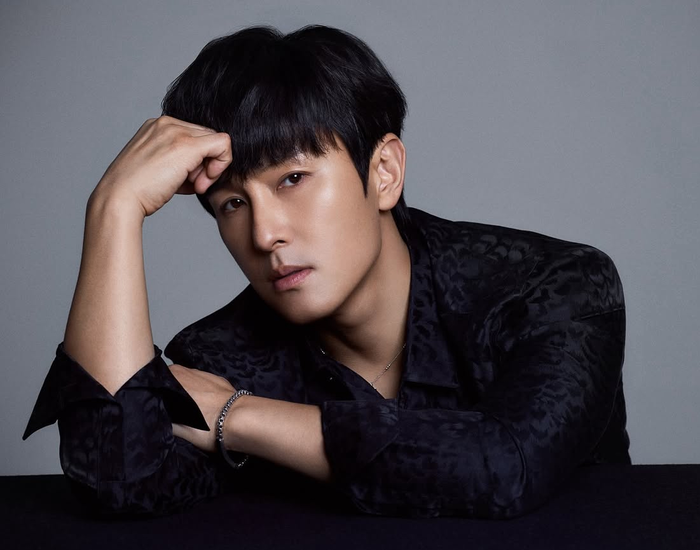
Speaking of genuine hardship, **Kim Dong-wan**, beloved member of K-pop legend **Shinhwa** and a respected **Sunbae** in the entertainment industry, has stepped forward with an incredibly strong critique. He didn’t mince words, delivering a powerful message: “Poverty is not a joke.” His firm stance has resonated widely, adding considerable weight to the backlash against the trend.
What exactly is stirring this controversy? Let’s break down the core elements of the **’Poverty Mim’**:
- 📸 Participants post photos that exude comfort, leisure, or even outright luxury.
- ✍️ These visuals are then paired with captions explicitly stating or implying financial difficulties.
- 🧐 The juxtaposition is intended to be ironic, but often comes across as tone-deaf and insensitive, especially to those genuinely facing economic struggles.
- 🗣️ The trend highlights a growing disconnect, sparking crucial conversations about privilege and perception in our digital age.
In fact, **Kim Dong-wan Oppa’s** direct admonition underscores a sentiment felt by many: making light of poverty can be deeply disrespectful. His words serve as a crucial reminder that while social media often thrives on viral trends, some topics are too serious to be reduced to a meme. This isn’t just about a trend; it’s about the broader implications of how we perceive and portray social realities.
Hannah’s Take: As someone who analyzes the narratives we consume, this ‘Poverty Mim’ trend is particularly striking. K-dramas often excel at depicting economic struggles with raw honesty and profound empathy, driving home powerful social messages. To see real-life trivialization of such a serious issue feels like a step backward from the kind of thoughtful engagement our culture often champions. **Kim Dong-wan’s** intervention is a necessary dramatic beat in this unfolding societal commentary, echoing the calls for deeper understanding we often see on screen.
As this debate continues to unfold, we at Hello Korea encourage our Global K-Fans to consider the impact of such trends. Let’s champion content that fosters empathy and understanding, much like the compelling stories we celebrate in Korean dramas and films. What are your thoughts on the ‘Poverty Mim’ trend and **Kim Dong-wan’s** criticism? Share your opinions respectfully!
Editor: Hannah Choi 🎬