The Netflix Enigma: Why is “The Great Flood” a Global Chart-Topper But a Korean Backlash Magnet? 🌊🗺️
Hello Korea Fam! ✈️ Jiyoon Lee here, your Hidden Gem Traveler, ready to unearth some fascinating paradoxes from the vibrant world of K-content. Today, we’re diving into a curious case that’s making waves across the globe: the Netflix original film, “The Great Flood”. While it’s been an undeniable smash hit internationally, its reception right here in Korea tells a starkly different, almost baffling, story. What’s the hidden truth behind this dramatic split? Let’s embark on this cinematic journey together! 📸
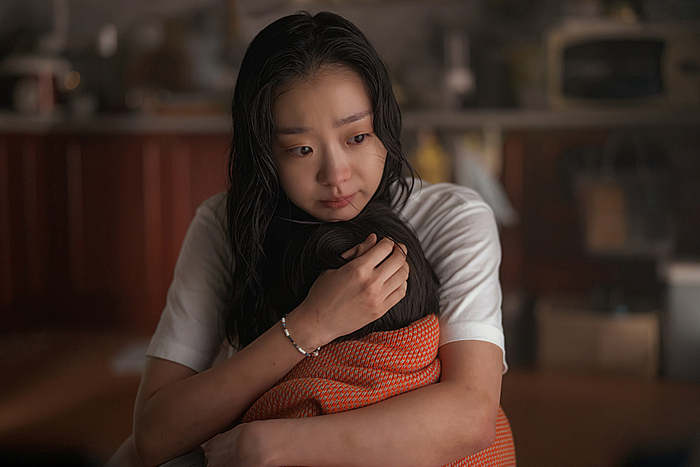
Released just recently on December 19th, director Kim Byung-woo’s “The Great Flood” has surged through global Netflix charts, claiming the top spot in the non-English film category in a mere three days! According to global OTT ranking aggregator FlixPatrol, this K-film sensation swept the “Today’s Top 10” in an astounding 52 countries, including major markets like Brazil, Mexico, France, and Taiwan. It truly showcases the formidable power of K-content on the global stage. 🗺️
Overseas critics and audiences have been lavishing praise on the film, hailing it as an “inventive apocalypse thriller” and commending the “overwhelming performances” by leads Kim Da-mi and Park Hae-soo. These glowing reviews paint a picture of a fresh, captivating cinematic experience. However, when we turn our gaze to its home turf, the narrative shifts dramatically.
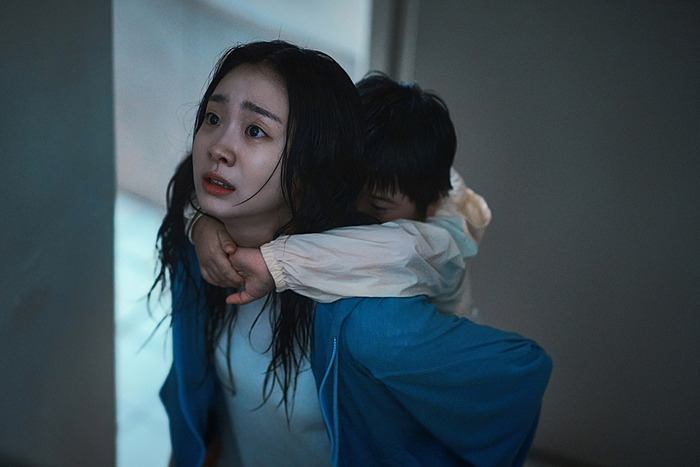
Here in Korea, online communities and review sites are brimming with anything but adoration. Comments range from “a waste of time” to “the worst movie of the year.” The backlash has been so fierce that even renowned translator Hwang Seok-hee stepped forward, criticizing the “excessively harsh” and “violent” language of the reviews. He noted, “curses like ‘don’t ever watch this,’ or ‘may the distributor go bankrupt’ are attached to the bad reviews,” expressing concern over what he perceives as a disproportionate level of criticism for what he considers a “decent film.” 🎬
Editor’s Comment: As a Hidden Gem Traveler, I often find that the most rewarding experiences come from unexpected discoveries. This film’s reception feels like a journey where two groups of travelers set out to explore the same destination, only to find themselves on entirely different paths. It makes you wonder how much our initial expectations shape the beauty we ultimately perceive! 🗺️
So, what exactly is fueling this massive divergence? Industry insiders point to a critical “marketing mismatch.” The trailers and posters released by Netflix and the production team prior to the film’s debut heavily emphasized submerged cities and protagonists battling for survival – all classic hallmarks of a ‘K-disaster survival’ genre. Korean audiences, conditioned by hits like “Haeundae,” “The Tunnel,” or “Exit,” naturally anticipated a thrilling, emotionally resonant tale of human resilience and escape amidst catastrophe.

However, once the curtains lifted, audiences discovered a film far more intricate and esoteric: a complex ‘time-loop SF’ thriller. The mid-section introduces heavy artificial intelligence (AI) and simulation concepts, veering sharply from the straightforward disaster flick many had expected. This genre pivot led to feelings of confusion and, for some, outright “betrayal.” Reviews flooded in (pun intended!) from viewers who watched with their parents, expecting a disaster film, only to find the family atmosphere turn “chilly” due to the unexpected sci-fi elements.
- ✈️ What Korea Expected: A classic K-disaster survival film focusing on human struggle and escape.
- 📸 What “The Great Flood” Delivered: A complex time-loop sci-fi mystery with AI and simulation themes.
- 🌊 The Outcome: A wide gap between audience expectations and the film’s actual genre, leading to polarized reviews.
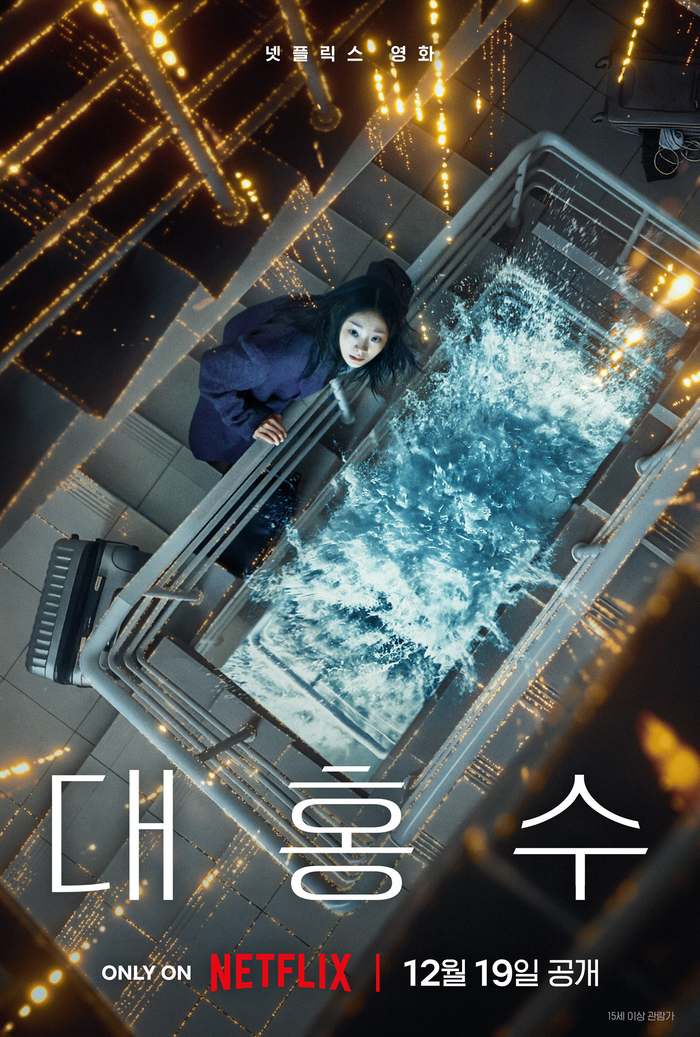
A film industry insider noted that for audiences who appreciated director Kim Byung-woo’s previous work, like the taut thriller “The Terror Live,” the complex SF setting in “The Great Flood” likely became a barrier rather than an engaging plot point. They suggested that had the film been marketed from the outset as an SF mystery thriller, it might have resonated better with its intended audience, mitigating much of the domestic backlash. Director Kim Byung-woo himself acknowledged, “I was aware of the potential for mixed reactions even before filming. We didn’t plan for it to be a mass-appeal film that 7 to 9 out of 10 people would enjoy.” Yet, paradoxically, the very marketing designed to broaden its appeal became its undoing at home. 📸
This peculiar case of “The Great Flood” stands as a vivid reminder that the synergy between a content’s true essence and its marketing strategy is absolutely paramount. Will its global triumph ultimately soften the hearts of its Korean critics? Only time will tell. But one thing is clear: how we present a “hidden gem” can profoundly shape how it’s perceived, no matter how brilliant its facets. ✈️
Editor: Jiyoon Lee ✈️
Baca dalam Bahasa Indonesia: Klik di sini