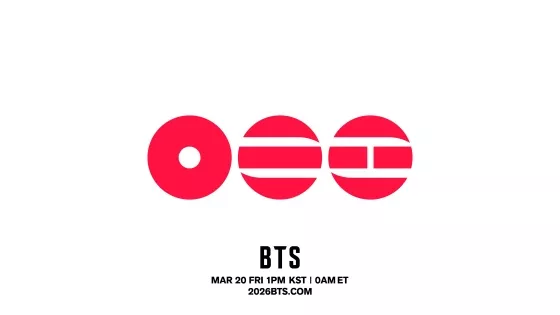
The global music industry is once again fixated on BTS as the K-pop titans reveal their 5th full-length album title, “ARIRANG,” sparking immediate and profound international media attention. This strategic choice is being hailed as a powerful continuation of the group’s mission to bridge Korean identity with global audiences.
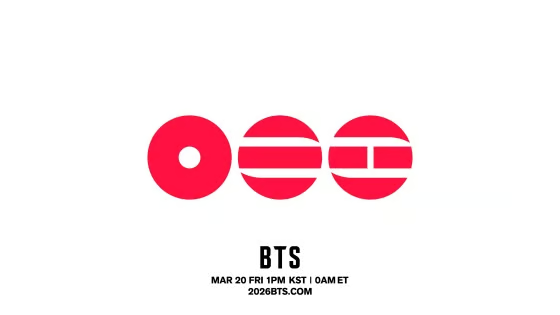
Following the album title’s unveiling on January 16, major international outlets swiftly covered the news, drawing global eyes to the cultural and emotional symbolism embedded within “ARIRANG.” BTS is set to make their highly anticipated comeback on March 20 with this new album, and the world is already dissecting its deeper meanings.
The selection of “ARIRANG” as the album title has prompted extensive analysis from foreign media, focusing on its cultural and emotional significance. They have meticulously explained what “ARIRANG” represents, interpreting the message BTS intends to convey, thereby naturally propagating the essence of this traditional Korean folk song across the globe. Several key themes have emerged from these discussions:
- 🇰🇷 Korean Identity: Media outlets underscore how BTS consistently places Korean identity at the core of their music. “ARIRANG” symbolizes a return to their roots after a period of individual activities.
- 🔗 Global Connection: It’s seen as an extension of BTS‘s ongoing mission to connect Korean and global music fans, bringing their heritage to the world stage.
- 🎶 “Open Song” Philosophy: “ARIRANG” is recognized as an “open song,” sung for centuries, allowing anyone to add lyrics and variations. This aligns with BTS‘s artistic philosophy of creativity, empathy, and freedom of expression.
- 🫂 Universal Emotions: The song is linked to universal sentiments like creativity, freedom, empathy, hope, and notably, reunion—a theme resonating deeply with fans awaiting BTS‘s return after approximately four years.
Forbes, for instance, remarked, “BTS has consistently placed Korean identity at the heart of their music. The album title ‘ARIRANG‘ symbolizes their return to their roots after a hiatus. For BTS, who have consistently connected Korean and global music fans, ‘ARIRANG‘ is a homecoming and an extension of their mission to promote Korean culture worldwide.” The publication further highlighted “ARIRANG” as an “open song” embodying human creativity, empathy, and freedom of expression, aligning with BTS‘s artistic ethos.
Similarly, U.S. fashion magazine L’Officiel USA elaborated, “According to UNESCO, ‘ARIRANG‘ is a Korean folk song with a history of at least 600 years. While there’s no single definition for the word ‘ARIRANG,’ the song has been connected to universal emotions like creativity, freedom, empathy, and hope.” The magazine identified ‘reunion‘ as a central theme of “ARIRANG,” noting that “fans interpret this as the narrative of meeting again after a hiatus.”
U.S. music media outlet Consequence added, “‘ARIRANG‘ is the title of a beloved Korean folk song, considered a core symbol of Korean culture and identity. The song’s lyrics revolve around themes of separation, longing, and the desire for reunion. This makes it a fitting choice for BTS‘s new album, their first in approximately four years.”
Beyond these, entertainment media like UPROXX, music platform Genius, Singapore’s CNA Lifestyle, and Spain’s Los 40 have all turned their attention to BTS‘s album title, delving into the emotional significance of “ARIRANG” and the profound reasons behind its selection.
BTS‘s 5th full-length album “ARIRANG” is slated to feature a total of 14 tracks, exploring universal emotions such as the team’s identity, longing, and profound love. Following its release, the group is set to embark on a massive world tour, kicking off in Goyang on April 9.
This strategic embrace of ‘ARIRANG’ is more than just an album title; it’s a profound statement on cultural diplomacy and global soft power. We anticipate this release will not only dominate charts but also foster a deeper understanding of Korean heritage worldwide, cementing BTS’s legacy beyond music.
We eagerly await the global impact of this culturally significant album and the new chapter it heralds for BTS.
Editor: Daniel Park 📊