K-Pop’s Gilded Cage? 💔 NYT Unpacks BTS’s Grand Return & Industry’s Creative Crossroads 💎
Hello Korea Fam, it’s Sophia Kim here, ready to dive into a conversation that’s been sending ripples across the globe. When the New York Times speaks, especially through the discerning lens of pop music critic Jon Caramanica, the world listens. And his latest year-end report, provocatively titled “In 2025, K-Pop Battled Its Demons,” has unveiled a compelling, albeit complex, narrative about the very fabric of our beloved K-Pop industry.
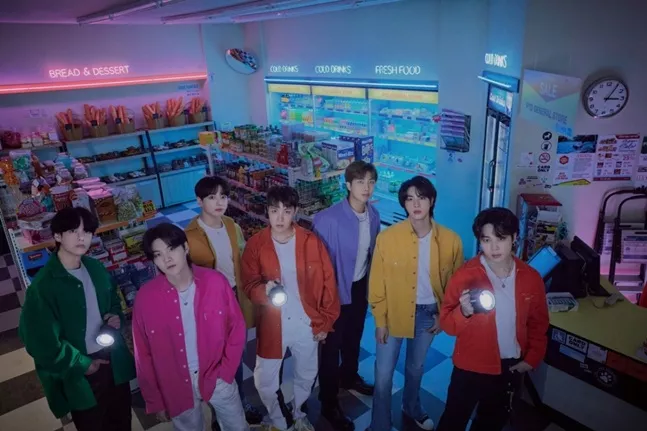
The headline news, for many of us, is a beacon of unbridled excitement: the highly anticipated return of the undisputed kings, BTS! With all members slated to complete their military service between June 2024 and June 2025, their collective comeback in Spring 2026 is poised to inject an unprecedented surge of energy and an estimated $1 billion+ in revenue through albums, tours, and merchandise. Truly, an exquisite moment we’ve all been longing for.
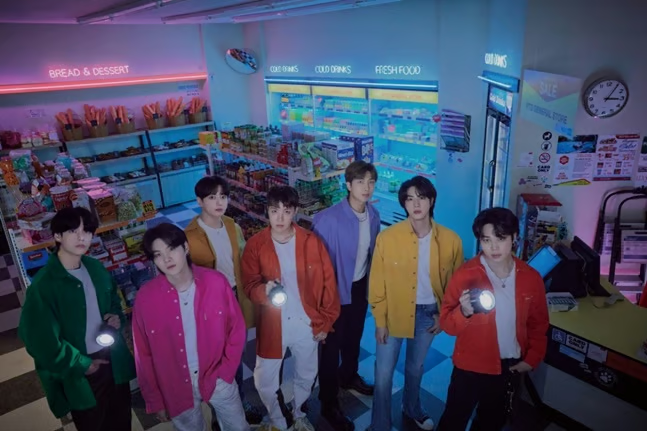
However, Caramanica’s analysis, as sharp and tailored as a bespoke suit, doesn’t stop at the celebratory. He posits that while BTS’s return will undoubtedly revitalize the industry, it might serve as merely a “band-aid on unhealed wounds.” This candid observation compels us to look beyond the dazzling stage lights and examine the deeper currents at play.
The New York Times piece highlights several critical challenges facing the K-Pop landscape:
- 💔 The inherent impossibility of replicating BTS’s unparalleled global power.
- 📉 A concerning fragmentation within the idol-making system itself.
- 🛣️ A “creative dead-end” that seems to have trapped much of the mainstream K-Pop sound.
This creative stagnation, Caramanica argues, manifests in “redundant and increasingly boring” musical frameworks, even among commercially thriving groups like Stray Kids, TWICE, ENHYPEN, and SEVENTEEN. While their success is undeniable, the critique prompts us to question the industry’s drive for artistic innovation.
Crucially, the ongoing legal dispute between phenomenal girl group NewJeans and their agency, ADOR, is presented as a litmus test for the industry’s true values. NewJeans, often lauded for their innovative sound and aesthetic, have seen their musical trajectory “stranded” by the contract dispute. Caramanica poignantly notes that the outcome of this saga will reveal whether K-Pop prioritizes “aesthetics” and artistry or simply “scale” and mass production.
Sophia’s Edit: As a luxury fashion expert, I understand the paramount importance of unique brand identity and authentic creative expression. When an industry becomes too focused on mere ‘scale,’ the bespoke artistry, the very ‘couture’ of its creations, risks being diluted. True luxury, much like true artistry, lies in originality and unwavering vision, not just replication.
Interestingly, amidst these growing pains, a surprising success story emerged: Netflix’s animated film ‘K-Pop Demon Hunters.’ Not only did it become one of Netflix’s most-watched films, but the fictional girl group Huntrix’s track, ‘Golden,’ topped the Billboard Hot 100 for eight consecutive weeks and is even a contender for a 2026 Grammy for ‘Song of the Year.’ This, Caramanica suggests, proves K-Pop has grown large enough to be affectionately parodied, a true mark of global cultural penetration.
And what of BTS themselves? The New York Times unequivocally praises them as “impeccable ambassadors,” a group “musically agile, friendly, and dedicated to their craft,” who truly spearheaded K-Pop’s global breakthrough in the 2010s. The sentiment on social media, especially X (formerly Twitter), echoed this deep adoration, with Global K-Fans proclaiming “THEY PAVED THE WAY” and celebrating that “the kings are coming back!” Their legacy as Sunbae to countless artists is undeniable.
Yet, the core message remains: while BTS’s comeback will undoubtedly bring immense profit and renewed energy, it’s not a panacea for the underlying structural and creative issues that the industry must confront. It’s a moment of unparalleled excitement, yes, but also a call for introspection and evolution.
As K-Pop stands at this intriguing juncture, balancing its triumphs with its growing pains, we at Hello Korea will continue to watch, analyze, and celebrate every thread of its exquisite journey. What are your thoughts, Global K-Fans? Is BTS’s return the ultimate revival, or a temporary reprieve for a system in need of deeper reform?
Editor: Sophia Kim 💎